For Fall/Winter 2027/28, JBG is tracking an important shift in how floral prints are being developed for bedding collections. Florals remain relevant, but they are taking on a more delicate, textured, and product-integrated approach. Smaller-scale flowers, watercolor effects, embroidery-inspired details, and linen-like surfaces are shaping a more sophisticated and versatile design language.
More than an aesthetic shift, this direction reflects an increasingly refined approach to product development. Floral prints are no longer defined by the artwork alone; their appeal comes from the combination of scale, texture, finishing, and collection coordination.
Smaller Florals Bring Lightness and Versatility
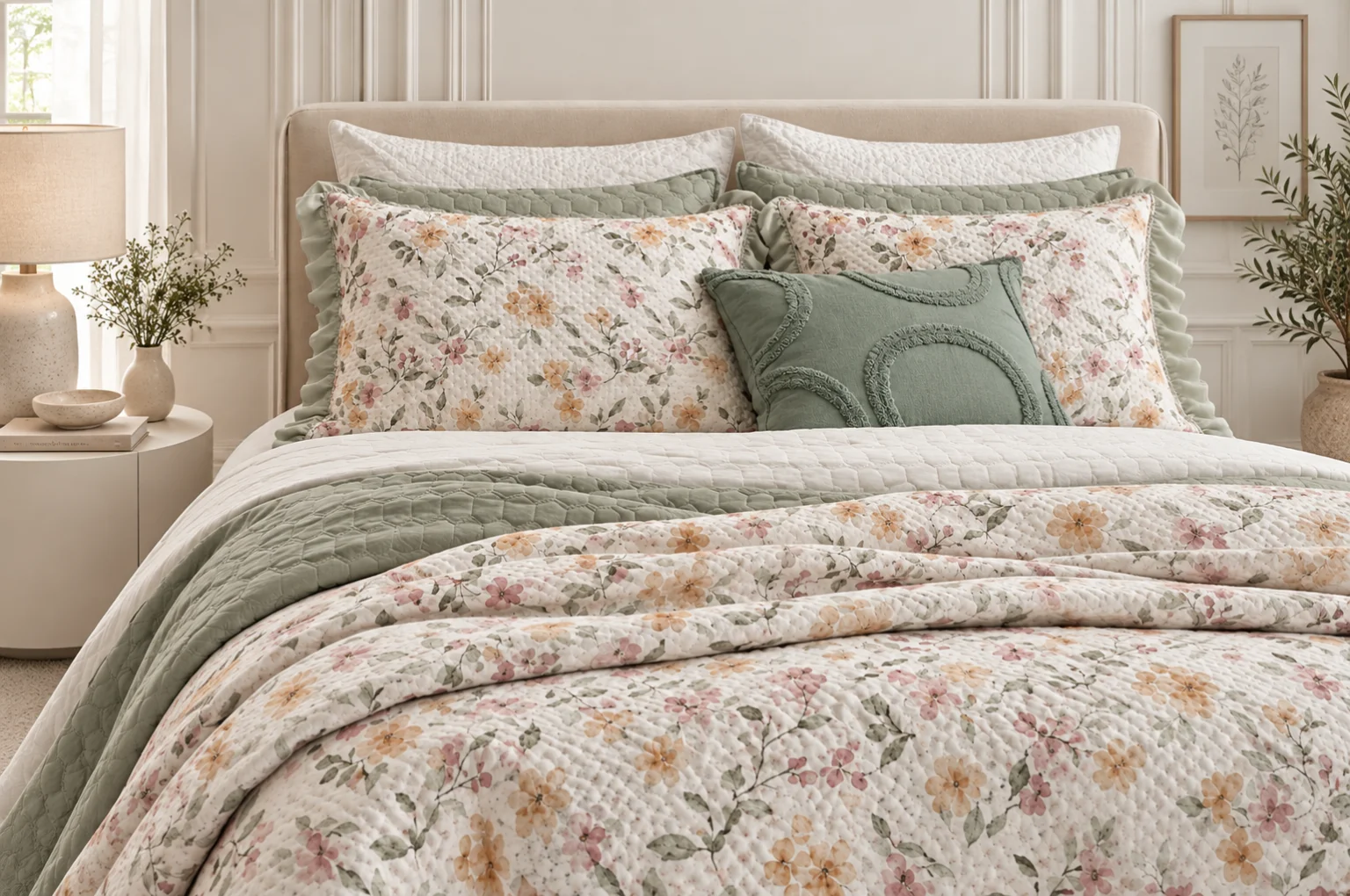
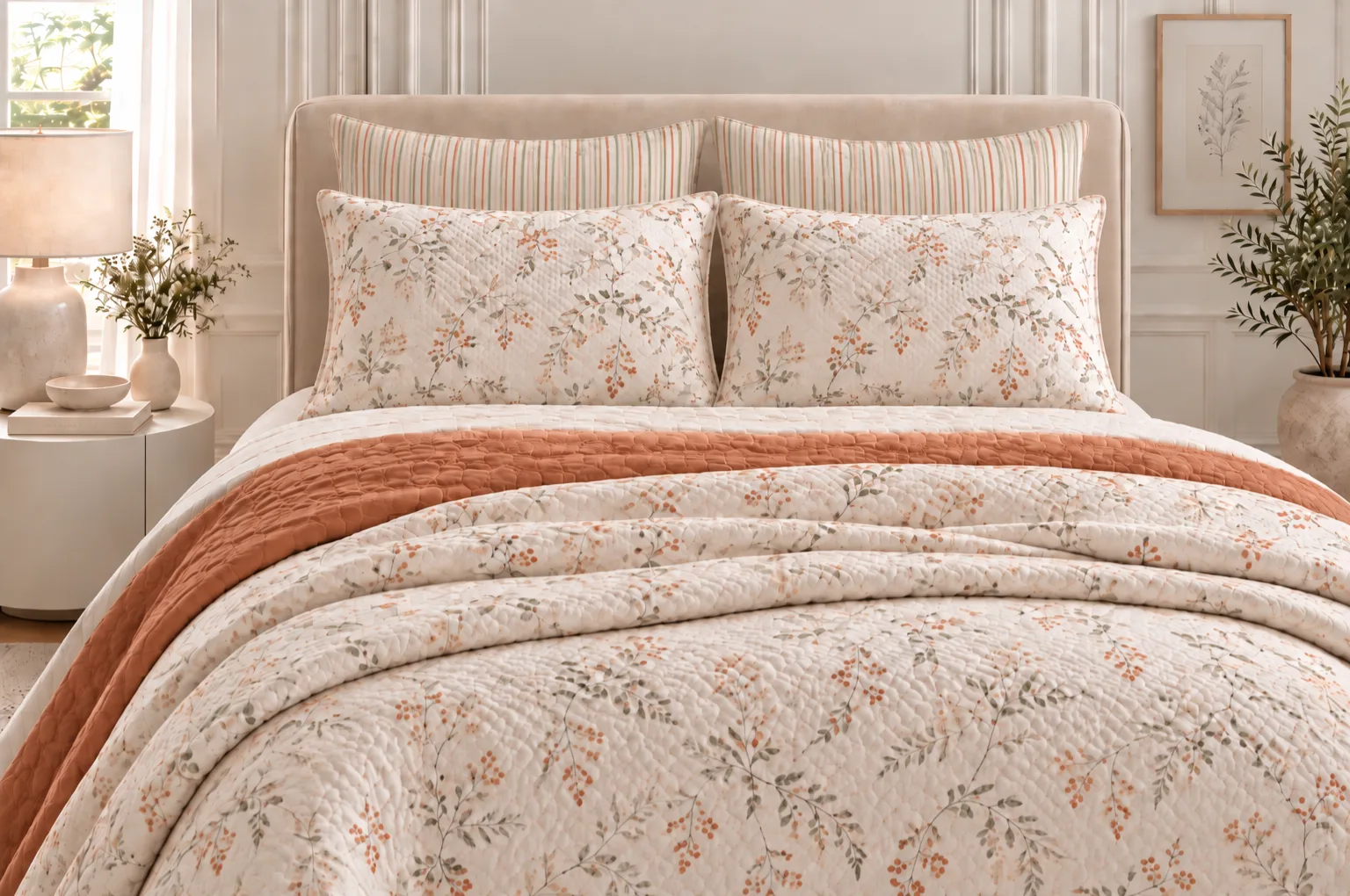
One of the clearest directions for 2027/28 is the move toward smaller-scale patterns. Delicate florals create a lighter visual effect and allow prints to integrate more naturally with the rest of the collection.
This type of composition also makes it easier to develop coordinated products. Rather than relying on a single statement print, a collection can explore color variations, complementary small-scale patterns, and more neutral surfaces, creating a more cohesive overall look.
Watercolor Effects Soften Prints and Add Depth
Another defining feature of this direction is the use of watercolor effects. Colors appear less uniform, outlines become softer, and designs feature smoother tonal transitions.
This approach reduces the visual weight of floral prints and creates a greater sense of depth. Instead of a highly graphic pattern, the product takes on a more fluid and refined appearance.
However, achieving this effect requires careful development. Gradients, fine details, and tonal transitions must retain their definition when the artwork is transferred onto fabric. This is why development stages such as colorway selection, rapport development, and strike-off approval remain essential to ensuring visual consistency through to the final product.
Embroidery-Inspired Florals Gain Ground for 2027/28
Among the references observed by JBG, floral prints with an embroidered appearance also stand out. The idea is to incorporate details that evoke stitches, raised textures, and more artisanal constructions, enhancing the perception of texture and finishing.
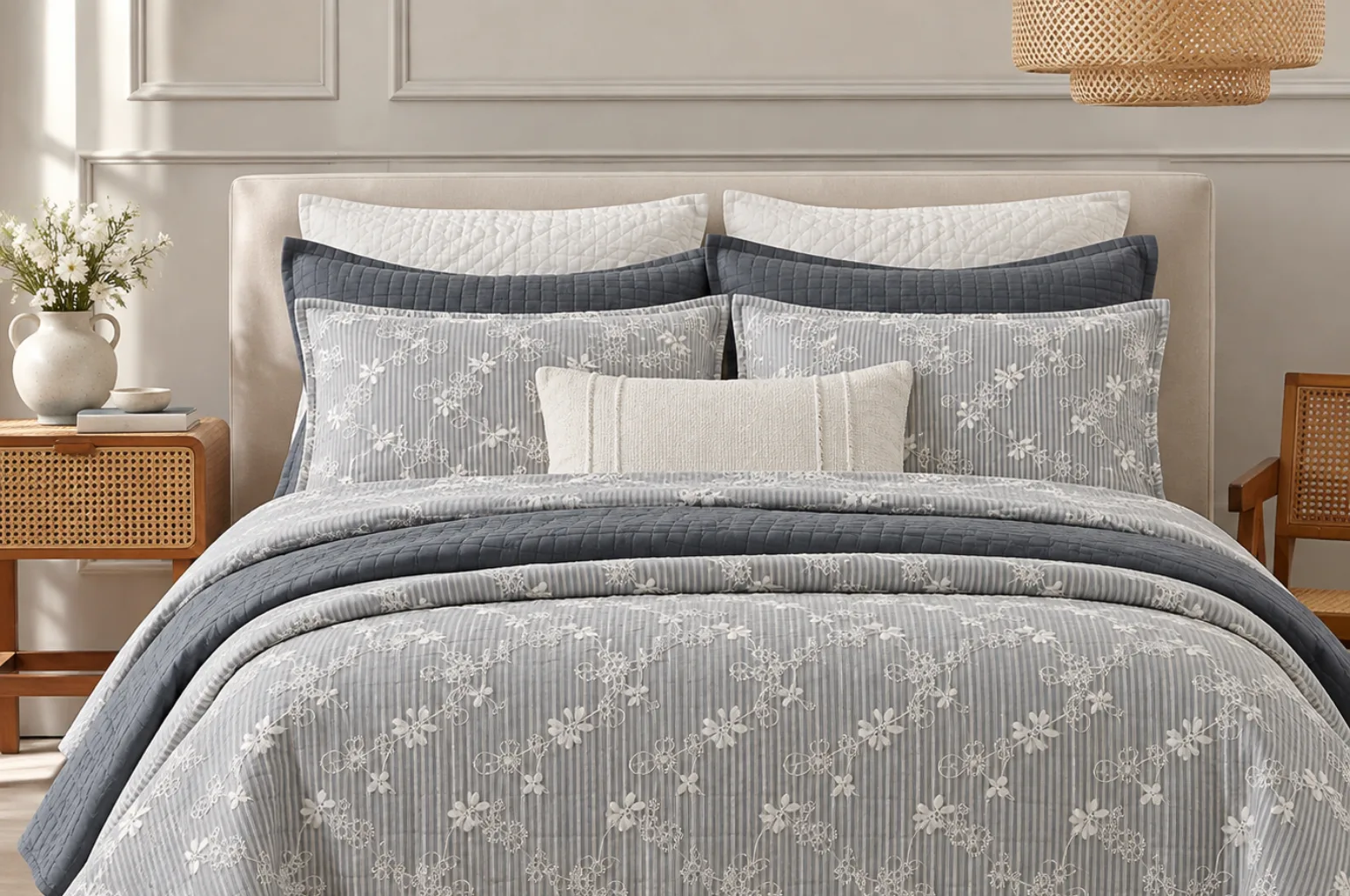
This effect can be achieved graphically through the print itself or combined with physical embroidery, depending on the product's positioning, the fabric base, and the collection's target price.
The most interesting aspect of this direction is the added visual depth. Surfaces no longer appear entirely flat; instead, they convey more texture and detail, even when the design remains delicate.
Linen-Inspired Textures Enhance Material Appeal
Another important shift lies in the background of the print. For Fall/Winter 2027/28, the surface is becoming just as important as the floral design itself.
Textures inspired by linen and other natural-looking fabric constructions help break up the uniformity of the base and introduce subtle visual irregularities. When combined with smaller florals and softer color palettes, these surfaces create a more distinctive and less predictable result.
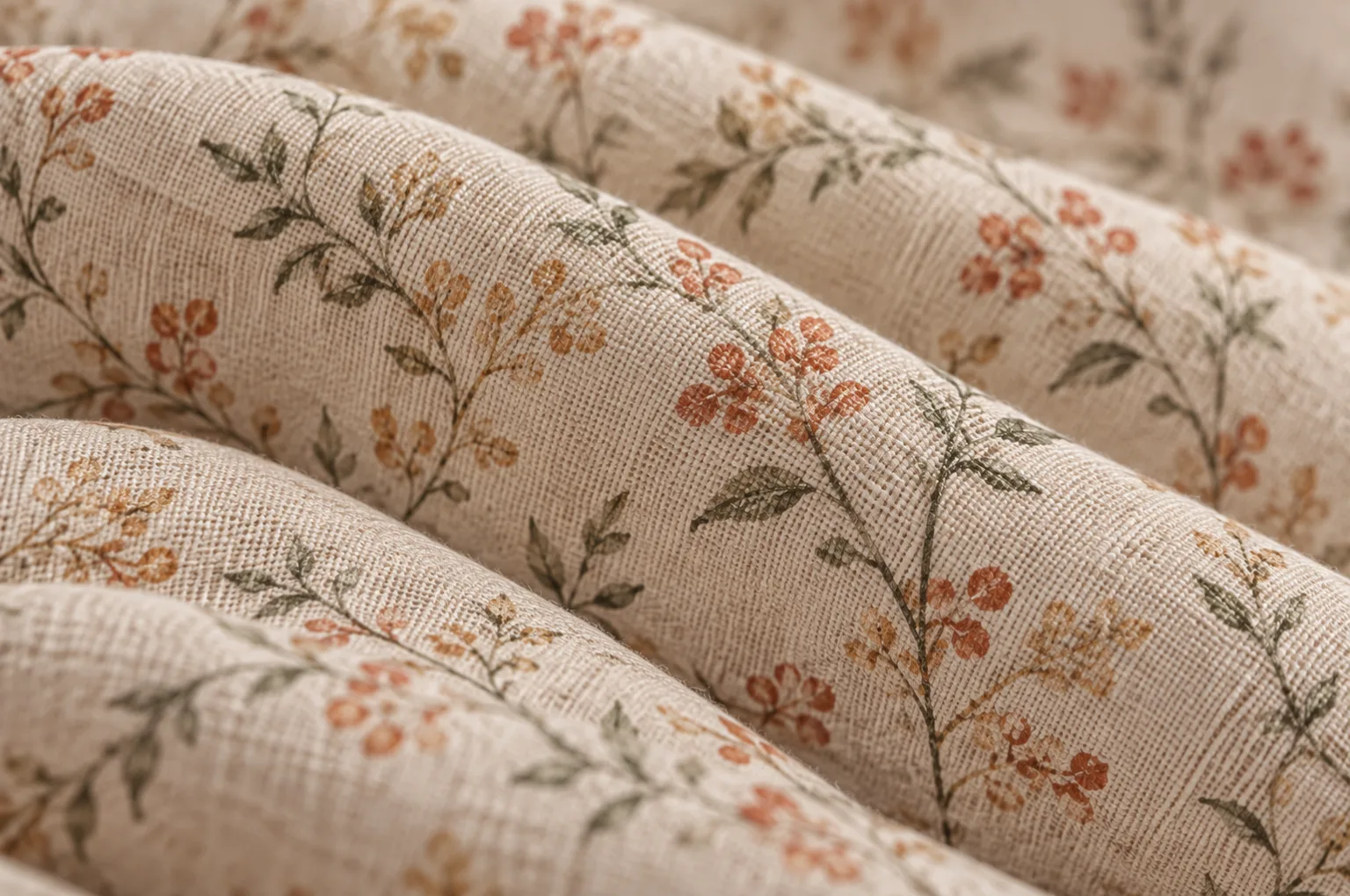
This combination of florals, texture, and finishing reinforces a broader trend: the search for products that convey value not only through their designs but also through the way their surfaces look and feel.
Florals Meet Stripes, Checks, and Geometric Patterns
For Fall/Winter 2027/28, floral prints are also becoming more integrated into the overall collection. Rather than standing alone, they are increasingly paired with subtle stripes, small-scale checks, understated geometric patterns, near-solids, and other coordinated textures.
This approach makes it possible to build more complete and versatile collections. Florals can take center stage, while complementary patterns help balance the composition and expand mix-and-match possibilities.
For brands offering different product tiers within the same collection, this strategy is particularly relevant. It allows them to create both statement pieces and more commercially accessible options without losing visual consistency across the range.
O que muda no desenvolvimento de produto para 2027/28?
Anticipating a trend does not simply mean selecting a print and moving it into production. The final result depends on how that reference is translated into a finished product.
Scale, rapport, colorway, fabric base, print definition, and finishing must all be evaluated together. A floral design that works well as digital artwork may behave very differently when applied to a comforter, a bedspread, or a complete bedding set.
Commercial and operational considerations also play a role. MOQ (minimum order quantity), lead time, cost, and collection positioning need to be factored into decisions from the outset.
This is precisely where trend research creates value: when it moves beyond inspiration and begins to guide product development decisions.
Why Is This Direction Relevant to the Brazilian Market?
Florals are already an established design language in the bedding category. Therefore, the opportunity for 2027/28 does not necessarily lie in introducing something entirely new, but in updating a visual code that consumers already recognize.
Smaller-scale patterns, watercolor effects, textured surfaces, and combinations with complementary prints offer ways to refresh florals without losing their familiarity. For the Brazilian market, this could be a particularly relevant direction because it retains a commercially recognizable design language while introducing a more contemporary and sophisticated execution.
The challenge is to adapt these references to each brand's positioning, target audience, price point, and sales channel. Not every international trend needs to be replicated in the same way. The real value lies in understanding what makes sense for each collection.
What Is JBG Anticipating for Floral Bedding Trends in Fall/Winter 2027/28?
JBG's outlook for Fall/Winter 2027/28 points toward florals that are more delicate, textured, and integrated with the rest of the collection.
The key directions include the combination of smaller-scale flowers, watercolor effects, embroidery-inspired details, and linen-like surfaces. At the same time, florals are increasingly being coordinated with stripes, geometric patterns, checks, and near-solids.
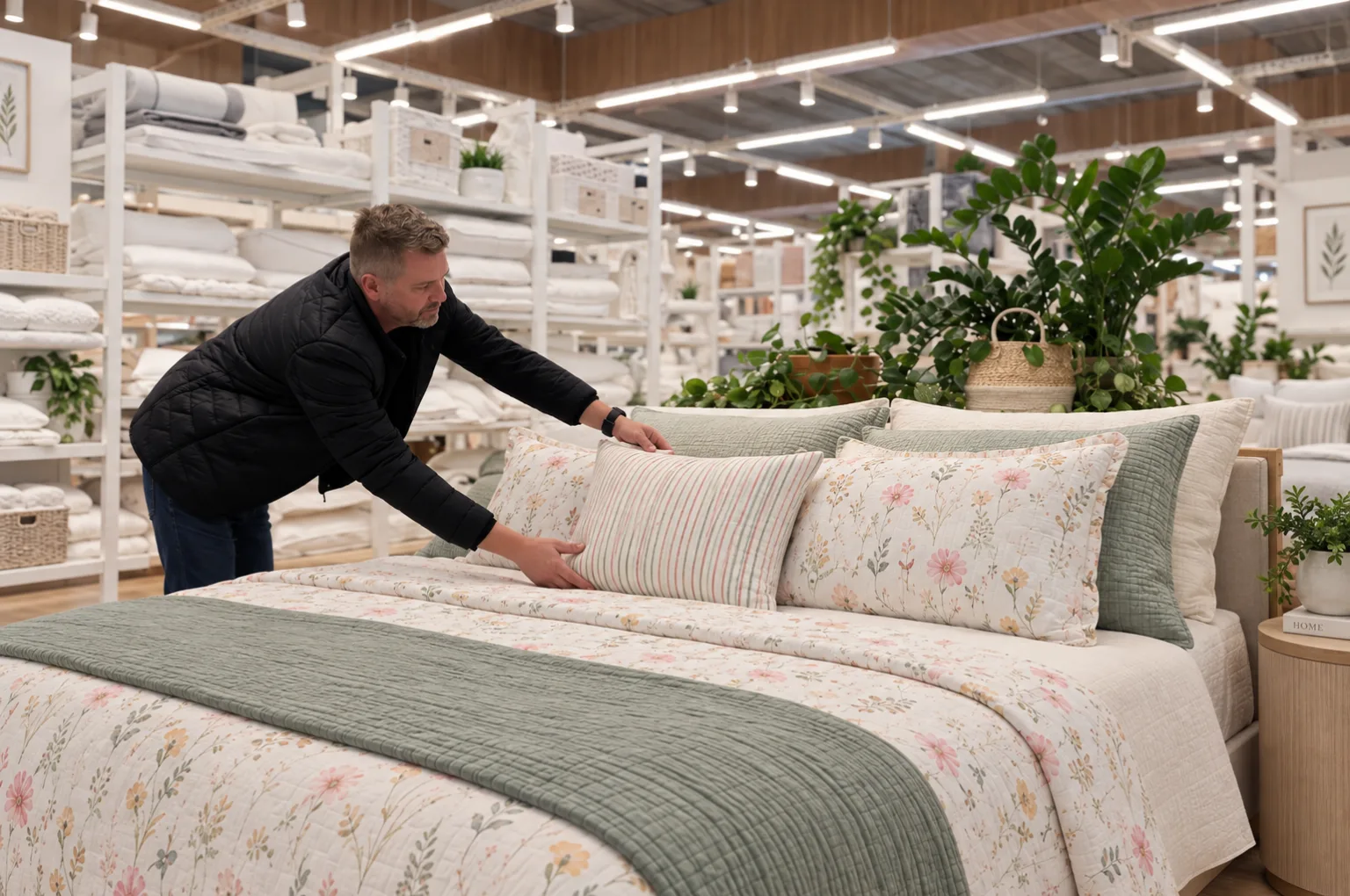
More than a change in print design, this represents a shift in how the product is developed. Florals are here to stay. What is evolving is the way scale, texture, finishing, and coordination are brought together.
For upcoming bedding collections, this is one direction worth watching closely.